Comparison Articles (Very Powerful SEO): The Ultimate Guide to Writing Content That Ranks & Converts
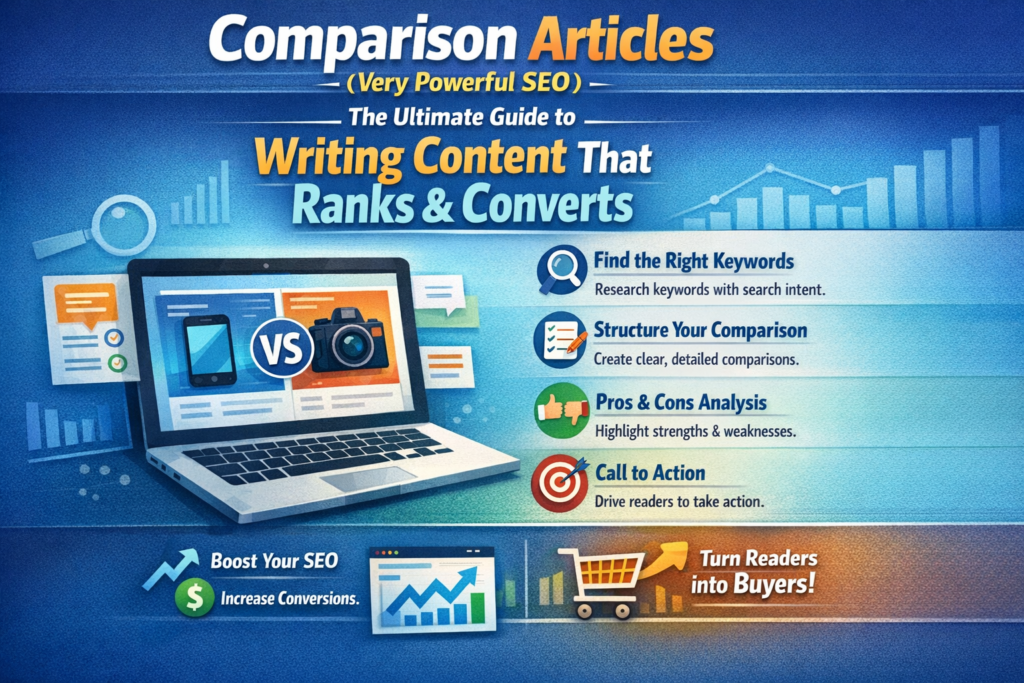
Comparison articles are some of the most powerful and effective content marketers rely on to rank in search engines and drive conversions. These articles don’t just capture attention — they answer user intent directly, positioning your site where buyers are already searching for answers. Unlike generic blog posts, comparison content sits right at the moment of decision-making in the consumer journey, which makes it invaluable for SEO and conversions.
Below is your comprehensive, SEO-optimized guide to understanding why comparison articles work so well — and exactly how to create them in a way that ranks in 2026.
The Power of Comparison Articles in SEO
In digital content marketing today, readers don’t just want advice — they want answers that help them make decisions. That’s precisely where comparison articles shine.
Unlike typical informational guides, comparison articles directly address versus queries — like “Product A vs Product B”, “which is better”, or “what suits me best”. These phrases show high search intent, meaning the user is closer to a purchase or decision than someone searching for generic terms. This alone makes comparison articles extremely valuable for SEO and business outcomes.
Simply put: comparison articles are a bridge between research and conversion in the buyer’s journey.
What Is a Comparison Article?
A comparison article is a content piece designed to evaluate two or more options, products, services, or concepts side by side. Rather than focusing on only one item, comparison articles dive into the differences, similarities, and ideal use cases to help people choose the right option for their needs.
These articles typically include:
- Feature breakdowns
- Pros & cons lists
- Clear verdicts or recommendations
- Contextual advice based on audience needs
The goal is to educate readers enough that they feel confident about their choice — which keeps them on your page longer and signals to search engines that your content is valuable.
Why Comparison Articles Rank Well in Search Engines
High-Intent Search Queries
One of the biggest reasons comparison articles rank well is that they satisfy “high intent” search queries — those users enter when they are actively considering options and close to a purchase or decision. Examples include:
- “iPhone vs Samsung comparison”
- “best AC vs cooler for Indian summers”
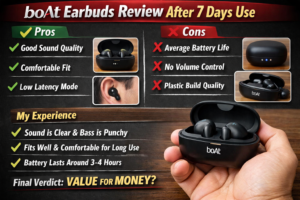
- “Noise vs Boat earbuds”
These are searches where users want direct comparisons — not general info — and Google prioritizes content that answers those queries clearly.
Longer Dwell Time & Engagement
Google uses user engagement metrics like dwell time — the time a visitor stays on a page — to understand whether content is useful. Comparison articles, when well-structured, keep readers engaged because they are directly answering search intent and presenting information in a way users value. Longer engagement signals high value, which can improve rankings.
Types of Comparison Articles That Drive Traffic
Understanding the types of comparisons helps you choose the format that best suits your topic and audience.
Direct Product vs Product Comparisons
These are the classic “versus” articles — like iPhone vs Samsung, or Noise vs Boat earbuds. They highlight key differences in features, design, performance, and price to help buyers choose. Real examples show how these comparisons break down complex product details into digestible insights.
Category Comparison Pieces
These compare broader categories rather than just individual models — like AC vs Cooler. They help readers understand which solution fits their lifestyle or environment best. For example, in hot climates like India, understanding whether an AC or cooler is better depends on factors like humidity, budget, and energy efficiency.
Competitor Comparison Content
This type contrasts one brand’s offering against competitors to highlight differentiation. For example, Samsung earbuds vs boAt earbuds could show how each performs in terms of sound quality, brand value, and price segment, helping users choose based on their needs.
Key Elements of a Successful Comparison Article
Honest Evaluations & Balanced Language
An SEO-friendly comparison article should be unbiased and trustworthy. Users can tell when content is overly promotional, and search engines favor content that genuinely helps readers rather than pushes a single agenda. Honest analysis builds credibility and encourages readers to return to your site for other recommendations.
Structured Side-by-Side Feature Comparisons
Comparisons work best when the reader can quickly see differences in key features — often in table form. A well-designed comparison table can instantly clarify differences in specs, pricing, battery life, and performance between products.
Visual Aids: Tables, Charts & Image
Visual elements like side-by-side feature tables, charts, and helpful product images make content easier to scan and understand. This improves user experience — which search engines reward.
SEO Best Practices for Comparison Articles
Keyword Research & Search Intent
Before writing, discover the specific comparison keywords your audience is searching for. Tools like Google’s People Also Ask and keyword planners help you find real queries — such as:
- “ac vs cooler benefits”
- “iPhone vs Samsung differences”
- “Noise vs Boat earbuds best for bass”
By targeting queries people actually search for, your article becomes more discoverable and relevant.
Metadata and Content Structure
Optimizing your title tags, meta descriptions, and header hierarchy (H1, H2, H3) helps search engines understand your content’s purpose. Incorporate target keywords naturally and make sure your introduction answers the user query early.
Internal Linking & Topic Clusters
Connecting your comparison articles with related posts (product reviews, buying guides, deep dives) strengthens your overall SEO by forming topic clusters. These interconnected pieces signal to search engines that you cover the subject comprehensively.
Real Comparison Examples That Rank
iPhone vs Samsung: Which One Should You Buy?
This comparison pits two tech giants head-to-head, evaluating design, ecosystem, camera performance, pricing, and value. Tech enthusiasts and buyers alike search for this comparison before making a major purchase, which makes this topic highly competitive yet valuable for SEO.
AC vs Cooler: What’s Best for Indian Summers?
Living in a hot, sometimes humid country like India, the debate between ACs and coolers is common. An article that breaks down:
- Cost of operation
- Cooling effectiveness
- Running costs
- Best use-cases
…can rank highly because it answers specific regional search intent. This type of comparison is practical, local, and useful to users — which boosts SEO success.
**—
Pass AI Detection instantly.
Great article! Now make it undetectable. Turn this text into 100% human-like content that ranks higher.
Humanize Now (Free) — Bypass AI detectors with one click.
Get better articles, faster. This prompt is powerful. But Pro Article Writer takes it further — AI humanizer, SEO tools, full editor, one-click options, and more control all in one place. Try it free →
If this prompt helped you, please leave a review — it keeps this prompt ranked